Source Fermented Grapes Plant Sheet Mask for Hydration
Find 30 options for the fermented grapes plant sheet mask, featuring ingredients like grape extract and vitamin C. Compare moisturizing, anti-wrinkle, and brightening benefits for home use across various suppliers; compare the available evidence and request quotations based on your requirements.
Key considerations
Products List




Comprehensive Sourcing Guide
Fermented Grapes Plant Sheet Mask Sourcing Guide
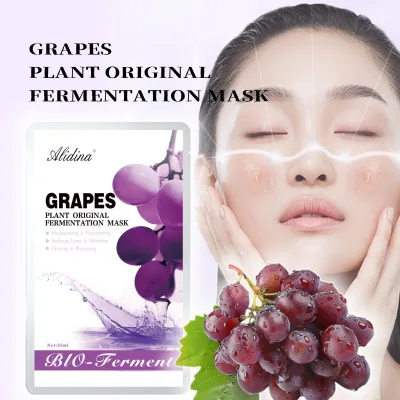
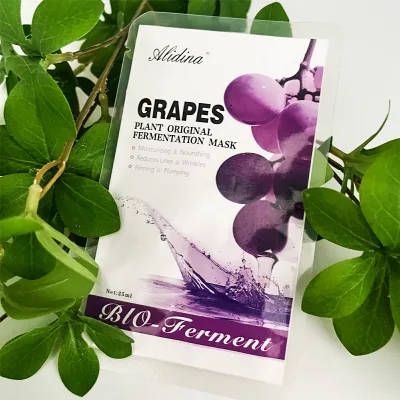
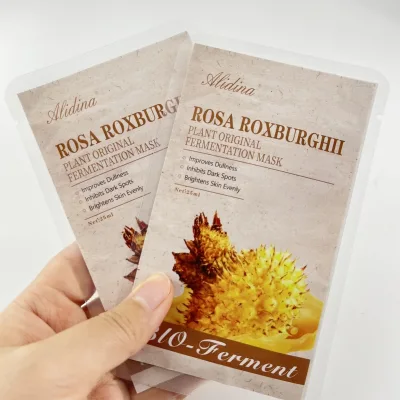
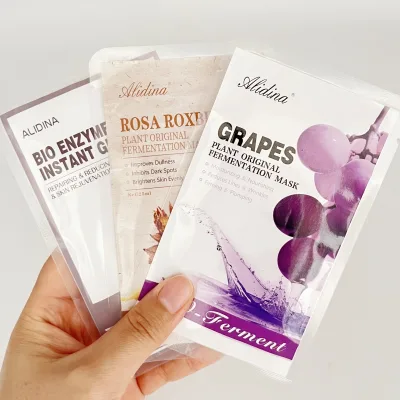
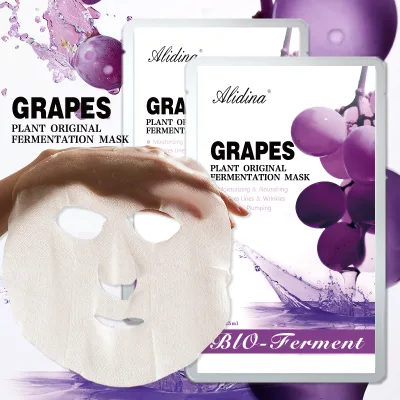
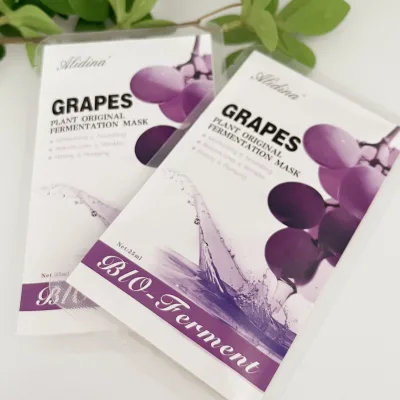
Buyers evaluating this category must first distinguish between specific product formulations, as listings vary significantly in their primary botanical claims. Some suppliers highlight "Grape Extract" and "Vitamin C" as core actives, while others emphasize "Lactobacillus Ferment" or "Rosa Roxburghii Fruit Extract" as the defining ingredient. This variation directly impacts the marketing narrative and the specific skin benefits promised to end consumers, requiring procurement teams to align their selection with their target demographic's expectations for brightening versus anti-aging efficacy.
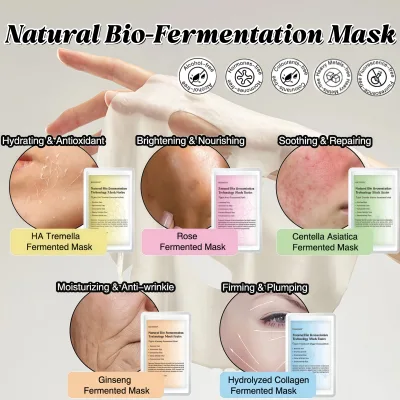
The observed product attributes indicate a strong focus on sheet mask formats designed for home use, with specific claims regarding wrinkle reduction and pigmentation correction. Procurement decisions should be guided by the consistency of these feature lists, such as "Anti-Wrinkle," "Firming," and "Whitening," which appear across multiple listings. Buyers must verify that the specific batch they intend to source matches the advertised function, ensuring that the "K-Aging" or "Sensitive Skin Repair" claims are supported by the actual ingredient profile provided in the supplier's technical data sheet.
Product Scope and Observed Listing Signals
The market for fermented grape masks presents a wide range of volume specifications, with observed listings ranging from 24ml to 25ml per unit. This slight variance in liquid content can influence the perceived value and the saturation of the skin during the recommended 15-20 minute usage window. Buyers should treat these volume differences as critical data points when calculating cost-per-unit and ensuring that the final product delivers the promised hydration and serum absorption levels to the consumer.
Listing signals also reveal diverse packaging dimensions, with single package sizes observed between 5x5x1 cm and 15x9x0.1 cm. These physical differences often correlate with the inclusion of additional components or the specific type of sheet material used, which affects shipping costs and storage efficiency. Procurement teams must verify the exact dimensions and weight of the sample size to accurately forecast logistics expenses and ensure the product fits within their existing distribution channel requirements without unexpected dimensional surcharges.
Technical Specifications to Verify
Verification of the main ingredient list is paramount, as the core actives define the product's efficacy and regulatory classification. Buyers must confirm whether the formulation relies on "Vitis Vinifera Fruit Extract," "Rice Ferment Filtrate," or "Lactobacillus Fermentation Filtrate," as these ingredients drive the specific claims of brightening, moisturizing, and skin revitalization. Ensuring the exact botanical source and concentration matches the marketing materials is essential to prevent discrepancies between the product description and the actual formulation delivered.
Shelf life and usage parameters are equally critical technical specifications that must be validated before finalizing a purchase order. The observed shelf life of three years suggests a stable formulation, but buyers must confirm the storage conditions required to maintain this longevity. Additionally, the recommended usage time of 15-20 minutes and the specific application for the face must be clearly documented to ensure consumer safety and to provide accurate instructions that align with the product's intended function of improving dullness and inhibiting dark spots.
Compliance and Safety Documentation
While some listings mention attributes like "Organic," "Vegan," and "Cruelty-Free," buyers must treat these as claims requiring independent verification rather than guaranteed facts. The presence of these terms in a product description does not automatically imply certification; therefore, procurement teams must request valid certificates from recognized bodies to substantiate these ethical and safety assertions. Relying solely on the supplier's self-declaration without third-party validation exposes the buyer to significant reputational and regulatory risks in international markets.
Documentation regarding the place of origin, specifically Guangdong, China, necessitates a review of local manufacturing standards and export compliance requirements. Buyers should verify that the facility adheres to relevant Good Manufacturing Practices (GMP) and that the product meets the safety regulations of the destination market. It is essential to ensure that the "Sensitive Skin Repair" and "Whitening" functions are supported by appropriate safety data, particularly since these claims often trigger stricter scrutiny regarding ingredient safety and potential allergens in the final formulation.
Cost Drivers and Commercial Terms
The observed minimum order quantity (MOQ) ranges from 1 piece to 30,000 pieces, creating a flexible but complex pricing structure for buyers. Low MOQ options allow for market testing with minimal capital risk, yet they often come with a higher unit cost compared to bulk orders. Procurement strategies should balance the need for inventory flexibility with the economies of scale offered by larger volumes, ensuring that the total landed cost remains competitive while maintaining sufficient stock to meet anticipated demand.
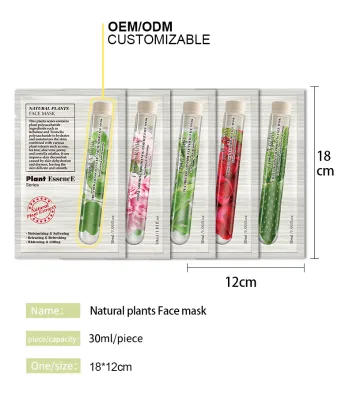
Customization options, including the acceptance of a "Customized Logo" and "OEM/ODM" services, introduce variable costs that must be factored into the commercial negotiation. The ability to tailor the product label and packaging can significantly enhance brand value but may require additional setup fees or longer lead times. Buyers must clarify the specific costs associated with these customization services and ensure that the agreed-upon terms do not inadvertently inflate the unit price beyond the target margin for the final retail product.
Supplier Qualification and Quality Control
Supplier qualification should prioritize those who demonstrate transparency regarding their manufacturing capabilities and quality assurance processes. Given the diverse range of observed product names and ingredient profiles, buyers must assess whether the supplier has the capacity to consistently produce the specific formulation required, such as the "Fermented Grape Enzyme Mask" or the "Rosa Roxburghii Plant Original Fermentation Mask." A robust quality control system is essential to maintain consistency across batches, especially when dealing with natural extracts that can vary in potency.
Quality control protocols must extend to the physical attributes of the product, including the sheet mask form and the single gross weight of 0.050 kg. Buyers should implement incoming inspection procedures to verify that the product matches the specified dimensions and weight, ensuring that the packaging integrity is maintained during transit. Consistency in the "One pack" color and the "Single item" selling unit is also vital to prevent consumer confusion and to ensure that the product presentation aligns with the brand's visual identity and quality standards.
Long-Term Procurement Checks
Establishing a long-term partnership requires regular audits of the supplier's ability to maintain the three-year shelf life and the specific ingredient stability over time. Buyers should schedule periodic reviews to ensure that the "Lactobacillus Ferment" and other active ingredients have not degraded or changed in concentration, which could compromise the product's efficacy in brightening and firming the skin. Continuous monitoring of the supply chain is necessary to prevent any shifts in the raw material quality that could affect the final product's performance.
Market feedback and performance tracking are essential for validating the long-term viability of the product line. Buyers must collect data on consumer responses regarding the "Anti-Wrinkle" and "Moisturizer" claims to ensure the product continues to meet market expectations. Regularly reviewing sales data and return rates will help identify any emerging issues with the formulation or packaging, allowing for proactive adjustments to the procurement strategy and ensuring the sustained success of the fermented grape mask line in the competitive beauty market.
FAQs
What are the main ingredients in the fermented grape mask?
The mask primarily contains Vitis Vinifera (Grape) Fruit Extract, Lactobacillus Ferment, and Rice Ferment Filtrate. These natural components work together to provide deep hydration and skin revitalization. The formula is designed to be gentle, making it suitable for all skin types while delivering essential nutrients for a healthy complexion.
How long should I leave the sheet mask on my face?
You should apply the mask for 15 to 20 minutes to achieve optimal results. This duration allows the skin to fully absorb the fermented grape essence and other beneficial ingredients. After removal, gently massage any remaining serum into the skin for best absorption and hydration benefits.
Can I customize the logo on the fermented grape mask packaging?
Yes, customized logos are acceptable for this product. Buyers can request specific branding on the packaging to align with their market identity. This OEM/ODM service allows for tailored labeling, ensuring the final product meets your specific commercial requirements and brand guidelines effectively.
What is the minimum order quantity for this facial mask?
The minimum order quantity starts at just one piece. This low MOQ allows buyers to test the product quality before committing to larger bulk orders. It provides flexibility for small businesses or individuals looking to sample the fermented grape mask without significant initial investment.
What are the key benefits of using this fermented grape mask?
This mask offers anti-wrinkle, firming, and brightening effects. It helps reduce dullness and inhibits dark spots for an even skin tone. The formula also provides deep moisturization and nourishment, making it effective for skin revitalization and maintaining a youthful, radiant appearance through regular use.
Where is this fermented grape mask manufactured?
The product is manufactured in Guangdong, China. This region is known for its robust manufacturing capabilities in the cosmetics industry. Buyers can rely on established supply chains and production standards from this location to ensure consistent quality and timely delivery of the facial masks.